
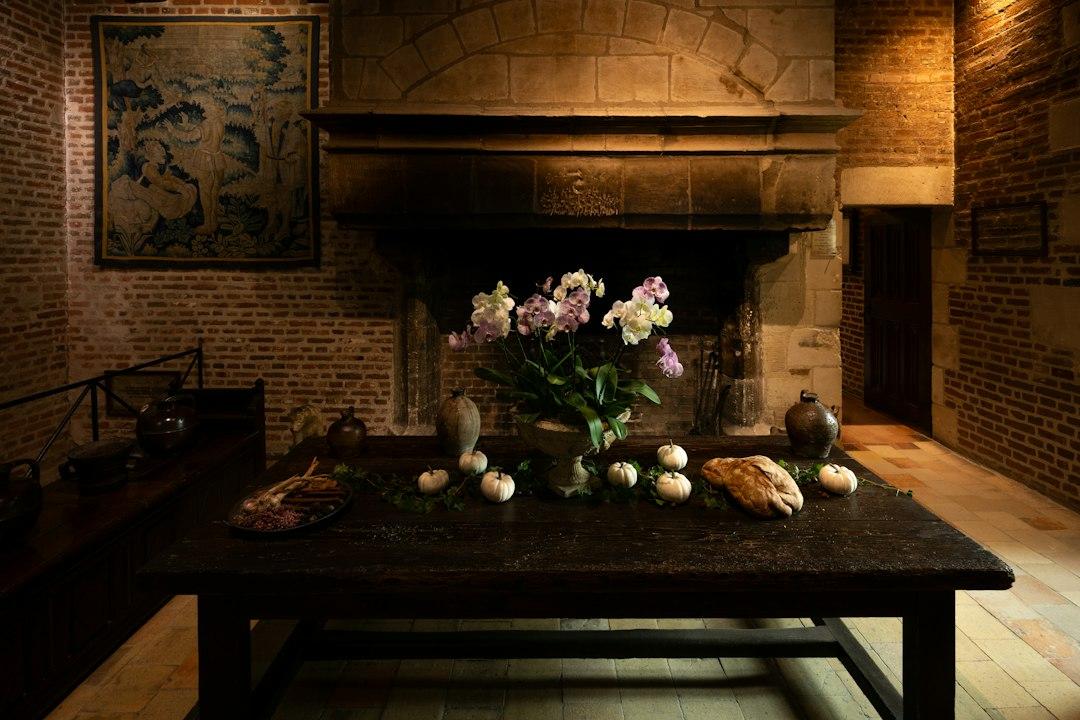
Chimney Flashing Repair in South Gate That Keeps the Hearth Wall Dry
Tell Us What It Is Doing
Smoke, a dead pilot, a stove that will not hold a fire: describe it on the form and we call back to set a visit.
What This Job Involves
Where a chimney comes through the roof, overlapping pieces of metal shed water past the joint. Sun, flue heat and roof movement loosen them, and the sealant dries and cracks. We lift shingles where needed, replace the step and counter pieces, cut the counter metal into a mortar joint, and add a cricket on wide stacks. A cricket alone is $465 to $1,050; a cricket with new flashing all round is $700 to $1,750.
How the Seal Around a Chimney Fails
A chimney punches a hole in your roof, and the flashing is what closes that hole. It is usually two layers. The lower layer is laid in with the shingles along each side of the chimney, so each course of roofing sheds onto it. Above that, counter flashing is let into a mortar joint and hangs over the step pieces like a skirt. Because the two layers are separate, the roof and the chimney can shift a little against each other without tearing the seal. Over time that arrangement breaks down in a few ways. Sealant smeared over the top edge as a quick fix dries in the sun and cracks. The upper layer pulls out of its joint when the mortar it was set into wears away. The lower pieces rust through, or a reroof covers them with new shingles but leaves the old metal, which no longer laps right. Behind a broad chimney, rain and leaf litter dam up against the brick and stay wet long after a storm. In a home where the fireplace wall is the center of the room in winter, a stain on that wall usually traces back here.
The repair depends on which part has failed. A short length of upper flashing that has pulled loose can be reset into a freshly cut joint. Lower flashing that has rusted is replaced by lifting the shingles along the side, sliding in new pieces and laying the roofing back. When the whole set is worn, which is common on older homes, we replace both layers at once so they work together. On a wide chimney that sits across the slope of the roof, a cricket is the fix for water that pools on the high side. It is a small ridge of roofing built behind the chimney that parts the flow so it runs off to either side. We build it on a wood frame, flash it into the chimney and roof it to match.
Prices and How We Book Flashing Work
Two flashing jobs carry a published price. A cricket built on its own comes to $465 to $1,050, and a wide stack on a steep roof lands nearer the upper figure. A cricket together with a full flashing replacement around the chimney is $700 to $1,750. Smaller fixes, such as resetting one side or replacing a few rusted pieces, get a written figure after we have been up on the roof, since a small patch and a tear-out of all the metal are not the same work. If the roof itself is worn out around the chimney, we say so, because new flashing in old shingles will not hold for long, and it may make sense to time the chimney work with the reroof. A roofer and a chimney crew working the same week can share the tear-off, and the new metal goes in under new shingles the way it should.
Leaks around a chimney are not always the flashing. Water can come in through the crown, through porous brick, through an open flue with no cap, or through the roof nearby. Before we replace anything, we look at all of those, and on a leak we cannot pin down by eye we test parts of the chimney with water to find where it gets in. To book, describe the stain or drip you are seeing, which rains bring it, and the rough age of the roof. Homes in South Gate, Huntington Park, Cudahy and Downey are booked the same way, and the visit happens on a dry day so we can see the roof clearly. If the stain sits on the wall right beside a fireplace or stove, mention that, because the framing there also takes heat and we want to look at it from the attic.
How Herrick Chimney Works Works a Job
Cloths Down First
Hearth and floor covered before a brush comes out
Photos of the Fault
You see the cracked brick or worn part yourself
Price Before Repair
Anything extra is written down first, then you decide
Fire Lit to Finish
We relight or test burn where the job allows
Towns for chimney flashing repair
Our focus towns carry their own write-up for this job: the houses there, the weather the brick takes, and the ZIP codes our van reaches.
CA
Chimney Flashing Repair in South Gate
We split our own kindling here. South Gate came up as a factory town after 1923, and 47% of its houses are pre-1950, so a flue on Tweedy-side streets has burned a lot of cordwood and wants its glazed creosote scraped.
View local serviceCA
Chimney Flashing Repair in Huntington Park
Since 1906 people here have been lighting fires in small cottages, and 42% of homes still date before 1950. Those old hearths almost surely run up a brick flue, and creosote packs into the joints, so our brush goes hard at each course.
View local serviceCA
Chimney Flashing Repair in Carson
Owners keep 74% of the homes, so lots of Carson families pick their own heat: open hearth, wood insert or a pellet stove in the den. Whichever burns, we brush the flue, measure clearances and light a test load with you watching.
View local serviceCA
Chimney Flashing Repair in Inglewood
Owners hold just 36% of homes, so many hearths here are a landlord's call, and we sweep for owner or manager the same way. Morningside Park and Fairview Heights keep the oldest fireboxes, their houses going back to the 1920s.
View local serviceMore Jobs We Take On
Chimney Sweep
Creosote brushed and scraped out of a working wood fireplace or stove flue, with a word on how your fuel is burning.
Read about it →Chimney Inspection
The whole chimney looked over before a burning season, at Level 1, 2 or 3 depending on what the flue has been through.
Read about it →Chimney Repair
Masonry, tile and metal fixed so the exhaust of a hot wood fire stays inside the chimney and out of the walls.
Read about it →Fireplace Inspection
Firebox, damper, hearth and surround of an open fireplace checked for the cracks and gaps that let heat reach wood framing.
Read about it →Fireplace Repair
Spalled firebrick, burned out joints, a warped damper or a cracked hearth put right so the fireplace can take full fires again.
Read about it →Chimney Level 2 Inspection
Recorded video of every foot of flue after a flue fire, a quake, a new stove or a sale, recorded for $405.
Read about it →Chimney Cap Installation
A spark screened top for the flue, in stainless or copper, that stops embers from a hot wood fire landing on the roof.
Read about it →Chimney Masonry Repair
Brick and mortar on the stack repaired after years of hot fires, winter rain and the odd quake have opened the joints.
Read about it →Chimney Rebuilds
A stack laid up again when the brick is too far gone to patch, from the roof line up or from lower down.
Read about it →Fireplace Cleaning
Ash, soot stains and smoked glass cleaned out of an open fireplace so you can see the fire again.
Read about it →Gas Fireplace Cleaning
Burner, pilot and glass of a gas fireplace cleaned so the flame stays blue and the glass stays clear.
Read about it →Gas Fireplace Repair
A gas fireplace with a dead pilot, a dark burner or a sooty orange flame traced to the part that quit.
Read about it →Fireplace Remodel
A new face, mantel or hearth for a fireplace you really burn in, built with the clearances a real fire needs.
Read about it →Fireplace Inserts
A wood or gas insert set into an open fireplace so the heat stays in the room, with a liner to the chimney top.
Read about it →Pellet Stove Repair
Jammed augers, cold igniters, tripped sensors and tired blowers on pellet stoves found and fixed before the cold sets in.
Read about it →Wood Stove Repair
Door ropes, glass, baffles, firebrick and pipe on a wood stove replaced so it holds a fire overnight again.
Read about it →Gas Logs
A gas log set fitted to a wood fireplace you are tired of feeding, with the flue checked first.
Read about it →Chimney Seismic Retrofit
Brick stacks steadied against the next strong shake with steel, straps or a lighter top built above the roof.
Read about it →Chimney Crown Repair
Cracked mortar tops on brick chimneys sealed or recast before winter rain gets into the flue and the brick.
Read about it →Dryer Vent Cleaning
Lint cleared from the dryer duct, machine to outside hood, when loads take two cycles to dry.
Read about it →Chimney Liner Installation
A stainless liner run through an old or cracked flue so a wood stove, insert or furnace vents safely to the top.
Read about it →Chimney Leak Repair
Drips at the hearth or stains by the chimney chased back to where the water gets in, then sealed off.
Read about it →Chimney Waterproofing
Brick on a weather facing stack treated with a clear sealer that keeps rain out but lets steam from the flue pass.
Read about it →Chimney Damper Repair
Throat dampers that have rusted, warped or seized, freed or swapped so the fireplace stops leaking warm air on cold nights.
Read about it →Chimney Chase Cover
Rusted metal lids on framed chimneys replaced with stainless made to measure, so rain stops reaching the wood inside.
Read about it →