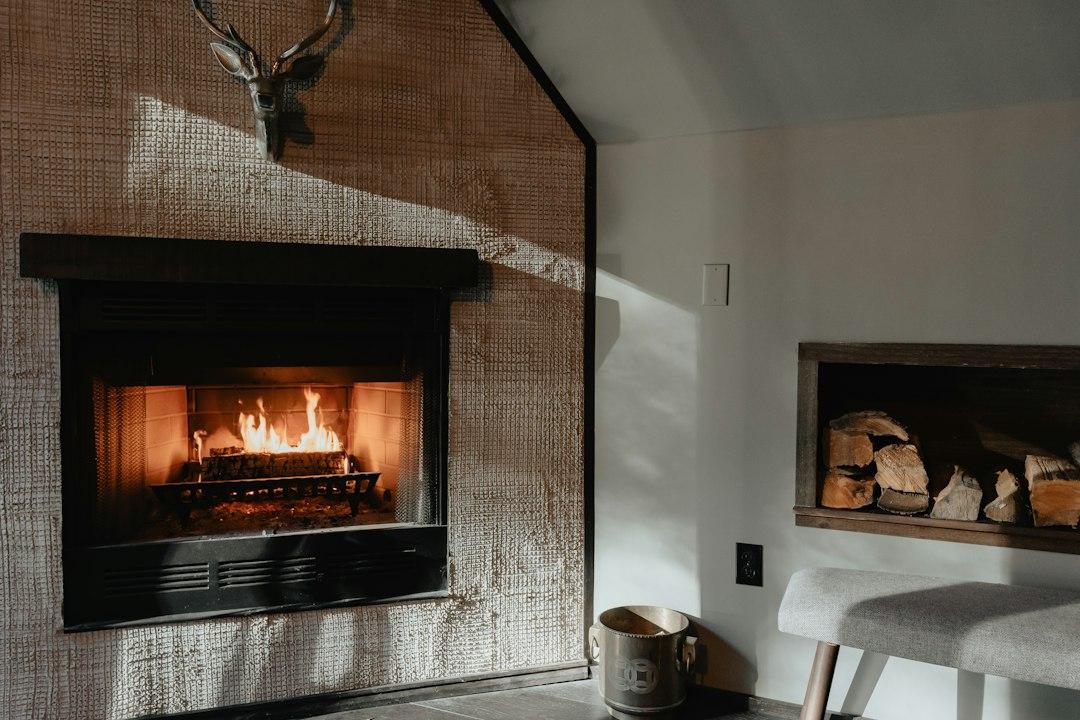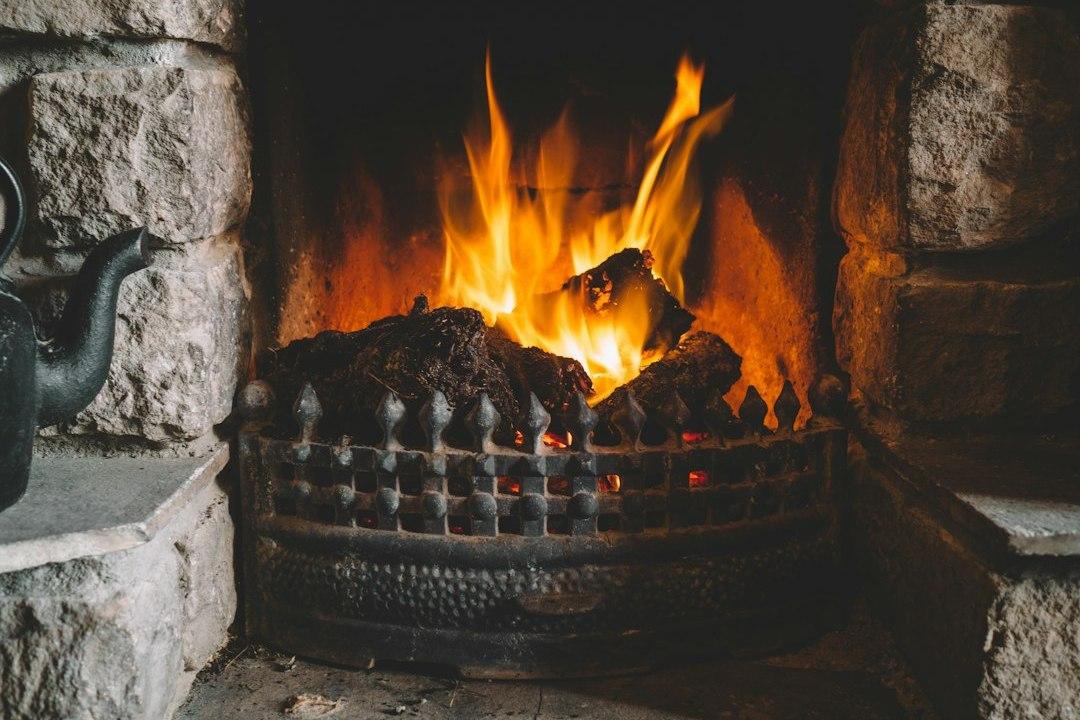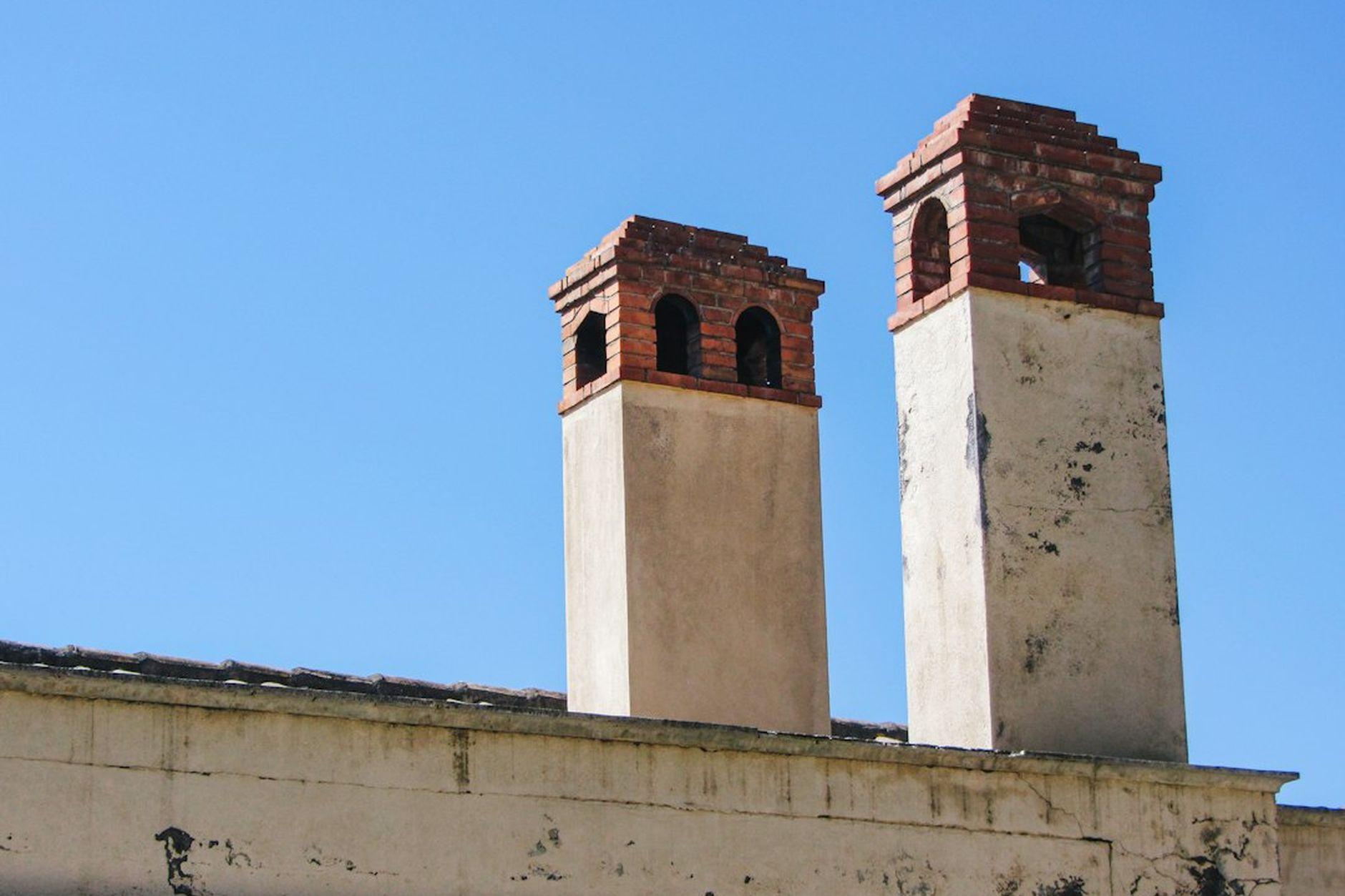
If you heat with wood, a sweep is not a now and then thing. A house that goes through a cord or more each winter builds creosote in the flue every season, and how much depends less on the chimney than on the wood and how it is burned. That is why the sweep you hire matters. You want someone who reads what came out of your flue and tells you what it says about your fires, not someone who runs a brush and leaves.
Here is how we handle it at Herrick Chimney Works in South Gate, and what to look for from whoever you call.
What the price covers
Our chimney sweep runs from $435. That covers one flue serving one fireplace or stove: protecting the room, brushing the flue its full height, clearing the smoke shelf or the stove's pipe and baffle area, and a written note of what we saw. A second flue, a stove that has to be eased away from the wall to reach the connector, or creosote baked into a hard glaze all add to it, and we tell you before starting that part.
If the chimney has never been inspected, add a Level 1 at $57. It is a visual check of the parts we can reach and see, and it leaves you a dated record. When a sweep turns up something that needs the camera, such as a cracked tile or a gap between liner sections, we say so and price a Level 2 at $405 rather than guess.
Reading what comes out of the flue
Creosote shows up in three forms, and each one tells you how the fire is being run.
- Dry, flaky soot. The fire gets enough air and the wood is dry. It brushes out clean.
- Crunchy, tar-like flakes. The fire is turned down hard, or the wood is not fully seasoned. It still brushes out, but it builds faster.
- Shiny, hard glaze. Long smoldering fires, wet wood, or a flue too big for the stove. This is the dangerous kind: it burns fierce if it catches, and a brush skates over it. Shifting it takes extra passes and extra tools, which is why it costs more.
A good sweep shows you what came down and talks you through it. If you are getting the third kind, sweeping alone will not cure it and it will be back next year. The cure is drier wood, hotter fires, or a liner sized to the stove.
Wood, habits and how often to book
Most wood burners around South Gate burn far less than people in the mountains, thanks to mild winters and the no-burn days the South Coast AQMD can call in the colder months. A household that lights a fire on a dozen chilly evenings a year can usually go a year between sweeps. A house heated by a stove all winter should book once a year at the least, and more often if the stove is shut down low overnight.
A few things we tell our customers:
- Split wood should sit stacked off the ground, covered on top and open at the sides, for a full summer before it goes in the stove.
- Pine and palm make poor stove fuel; oak, ash and fruit woods burn well.
- Pallet wood, painted wood and household trash never go in a stove or fireplace.
- A stove damped to a smolder all night is filling the flue with tar.
Signs a sweep is cutting corners
You do not need to know chimneys to spot these:
- No drop cloths or protection for the room
- No trip to the roof, and no look up the flue from below with a light
- Not a word about what came out of the flue
- A report that says cleaned and nothing more
- A sudden long list of urgent repairs with no photos and no reason given for each
- A price that changes once they are inside, with no explanation
The last two are the ones to watch. A real fault has a cause you can see, and we show it to you in photos and tell you straight whether it needs fixing before the next fire or can wait.
Setting up the visit
The figure depends on how many flues you have and what burns in them. Use the form to say whether it is a stove or an open fireplace, how often it gets lit and when it last saw a brush, and we will call back with a time and the starting price for your house. Mention anything odd while you are there: smoke rolling into the room, a tar smell on hot days, or a fire that never seems to draw.
Stoves need more than a brush
A stove sweep goes further than a fireplace sweep. We take down or open the connector pipe, clear the baffle shelf and the top of the firebox, and check the door seals while we are at it. If a seal or baffle has failed, the sweep is the moment to catch it. Our wood stove repair page covers what comes next, and Wood Stove Repair Cost, South Gate shows how those prices are built.
After a chimney fire
If you heard a roar in the chimney, saw sparks leave the top, or found puffed up flakes of creosote on the roof or the hearth, keep the stove cold. A chimney fire can crack tile and open joints even when it burns itself out. That calls for a Level 2 camera inspection before the next fire, not a sweep alone.
Ready for a clear flue before the cold weeks? The contact page takes your details, and we call back to find a morning.
Want Herrick to Take a Look?
We come out from South Gate with brushes, a camera and the stove parts that wear most often. You see what we find, and any repair gets a written price before we start it.