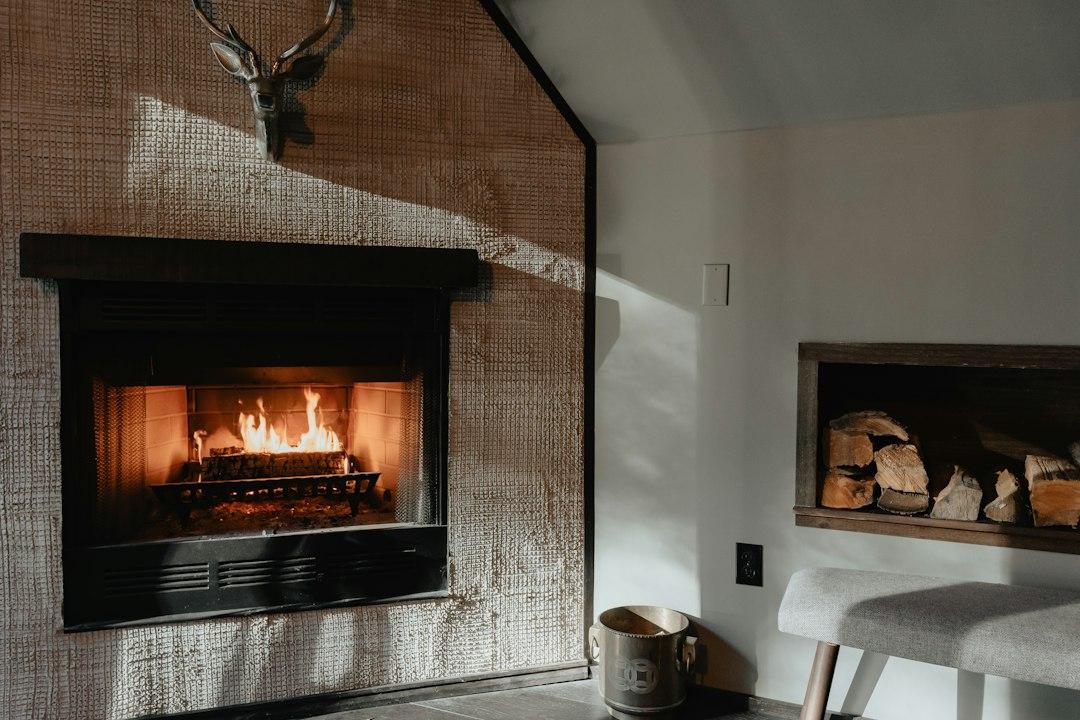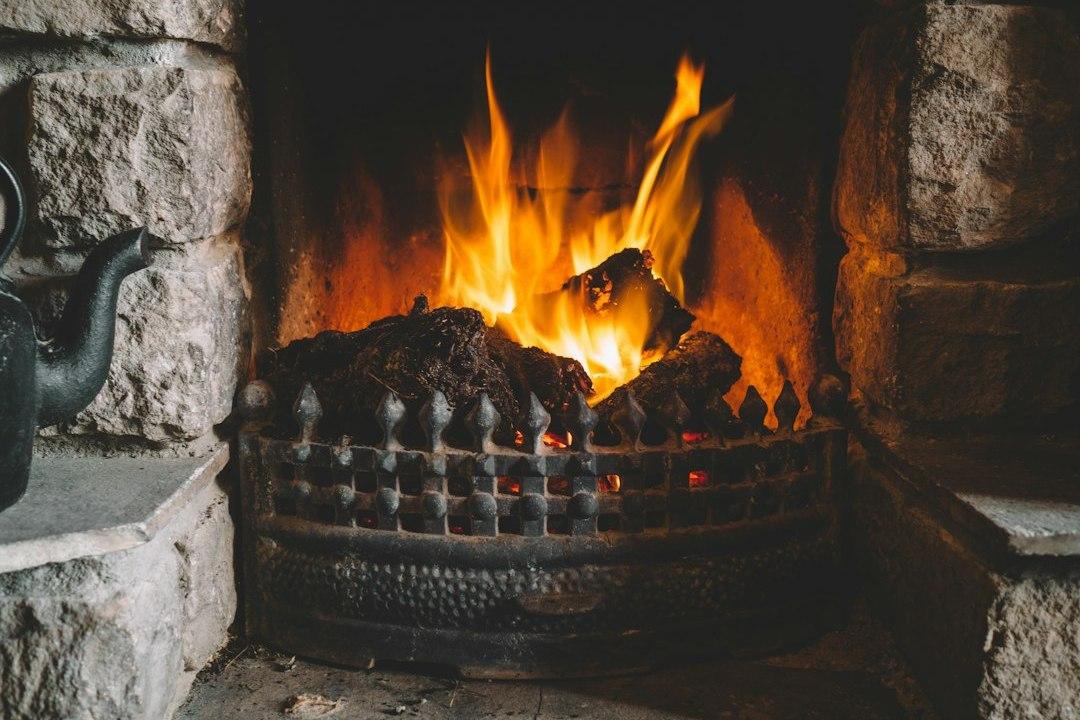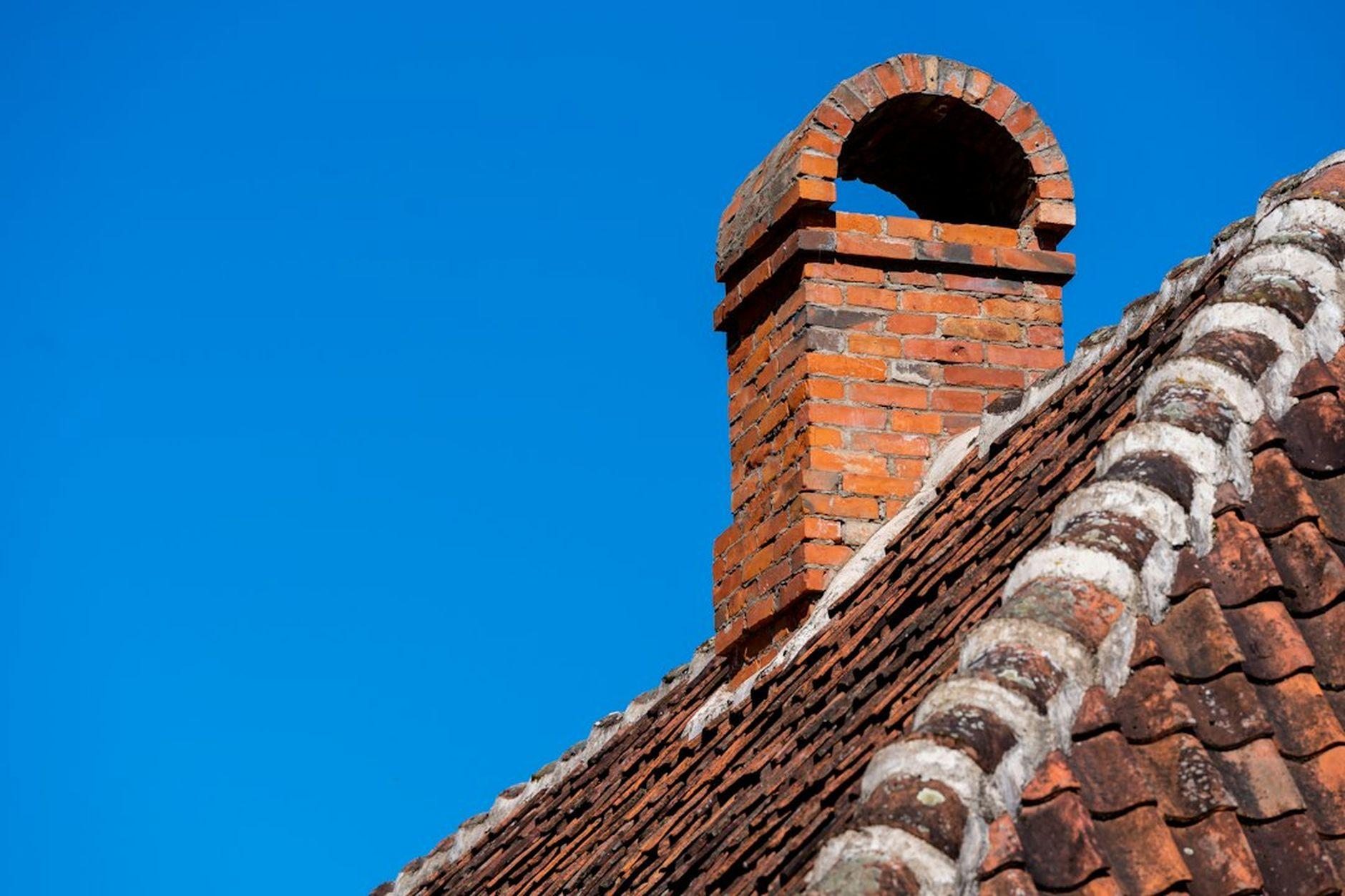
The listing photos show a cast iron stove on a tiled hearth with a stack of split oak beside it, and it reads like a selling point. Sometimes it is. Sometimes it is a stove a past owner put in without a permit, too close to the wall, pushing its smoke into a brick flue that was never lined. You only learn which during your contingency period, by getting the chimney looked at, and the general home inspector will usually tell you to do exactly that.
We inspect stoves and fireplaces for buyers across South Gate and the cities around it. Here is what the inspection covers and how its findings turn into a number you can take to the seller.
Why the general inspection stops short
A home inspector covers the whole house and does it well, but they do not run a camera up a flue or open a stove to see its baffle. On a house with a wood stove, their report often ends the chimney section by recommending evaluation by a qualified chimney professional. That line is your cue to book.
NFPA 211, the standard most chimney inspectors work from, treats a sale as a reason to go past a visual check and put a camera in the flue. Our Level 2 chimney inspection is $405. It covers the stove, its connector, the full height of the flue on video, the attic where the chimney passes through, and the roof.
What we look at on a stove
- Clearances. Distance from the stove and its pipe to the wall, the mantel, furniture and the ceiling. Owner installed stoves are often too close. A missing heat shield is cheap; scorched framing is not.
- Hearth pad. Whether the floor under and in front of the stove is protected far enough out to catch a dropped coal.
- The stove itself. Door seals, glass, baffle, firebrick and any cracks in the body. We note the brand and model if a tag survives, so you can look up its age and whether parts are still sold.
- Connector pipe. Rust, loose joints, sections sloping the wrong way, and how it meets the chimney.
- The flue. On camera: whether the stove has a liner to the top, cracked tile, gaps, creosote and which kind.
- Roof and attic. Cap, flashing, the chimney's passage through the framing, and any sign of water or heat damage.
From finding to repair request
Every finding goes in the report with a photo, where it sits, and whether it needs fixing before the stove is used. That last part gives you something to negotiate with. A buyer can ask the seller to make the repair, ask for a credit toward it, or take the house as it stands knowing the cost.
Where we publish a price, the report carries it, such as leak repair from $580 to $3,500. A chimney cap is quoted on site, since the flue and the metal set its price. Most stove findings, such as a clearance fix, a new liner or replacement door glass, have no fixed figure on our list. For those we write a price for each item after the inspection, so your agent works from numbers rather than guesses.
What changes the outcome most
The biggest single item on stove houses is a missing liner. A stove pushed in front of an old fireplace, its pipe ending just past the damper, is common in older South Gate homes. The fix is a stainless liner from the stove to the top of the chimney, sized to the stove's outlet, and it is a real cost. If the camera shows an unlined flue, that finding is worth bringing to the seller. Our post on relining a chimney for a stove covers what the job involves.
Next comes the stove's own condition. A worn stove from a maker that has closed may not be worth repairing, and that turns the conversation from fixing it to replacing it.
Booking during escrow
The chimney visit is most useful early in the inspection period, while there is still room to build the repair request around it. Entry is arranged through the agents, so you do not need to be at the house. Give us the property address and your agent's details through the form. The report and photos go to you, with copies to anyone you list. For more on how sale inspections run with us, see the home sale chimney inspection page.
If you are the seller
Having the stove and chimney checked before listing means the buyer's report holds no surprises, and you get to choose which items to fix and which to price in. It is the same inspection and the same report, only earlier.
After you get the keys
South Gate is in the South Coast AQMD, so some winter days are no-burn days and you may light the stove less often than you picture. Even so, have it swept before the first fire, because you do not know what the last owner fed it. A chimney sweep from $435 starts your first winter with a clear flue, and Hiring a Sweep When You Burn Wood explains what a good one includes.
Buying a house with a stove and want the chimney seen before your window closes? Start on the contact page with the address.
Want Herrick to Take a Look?
We come out from South Gate with brushes, a camera and the stove parts that wear most often. You see what we find, and any repair gets a written price before we start it.