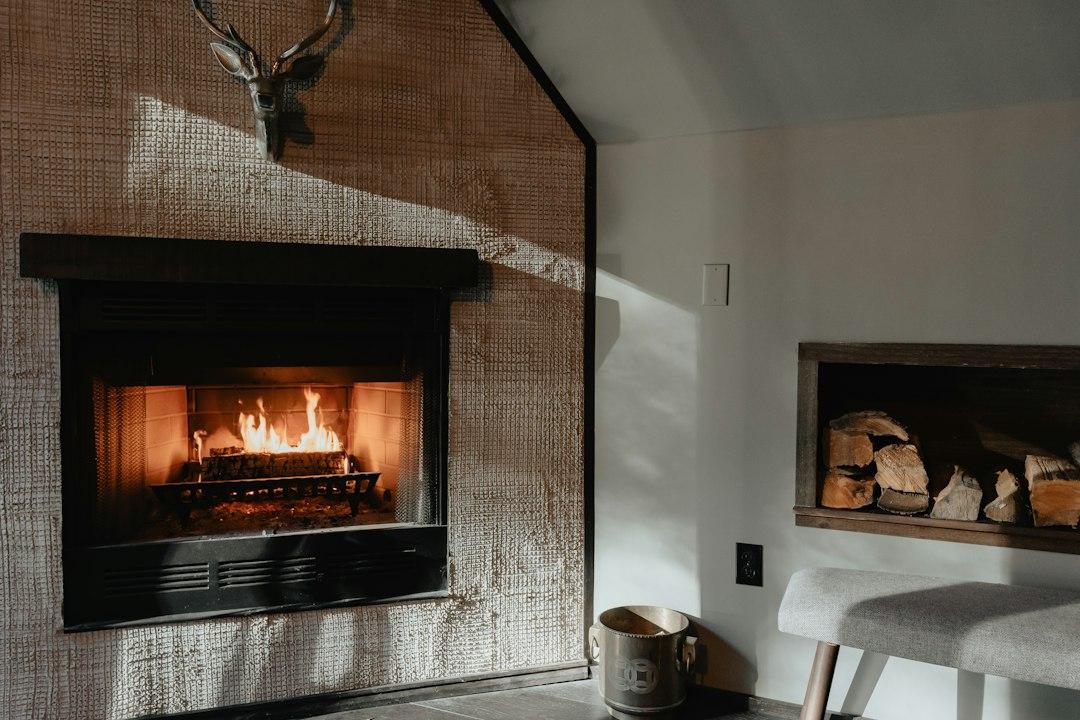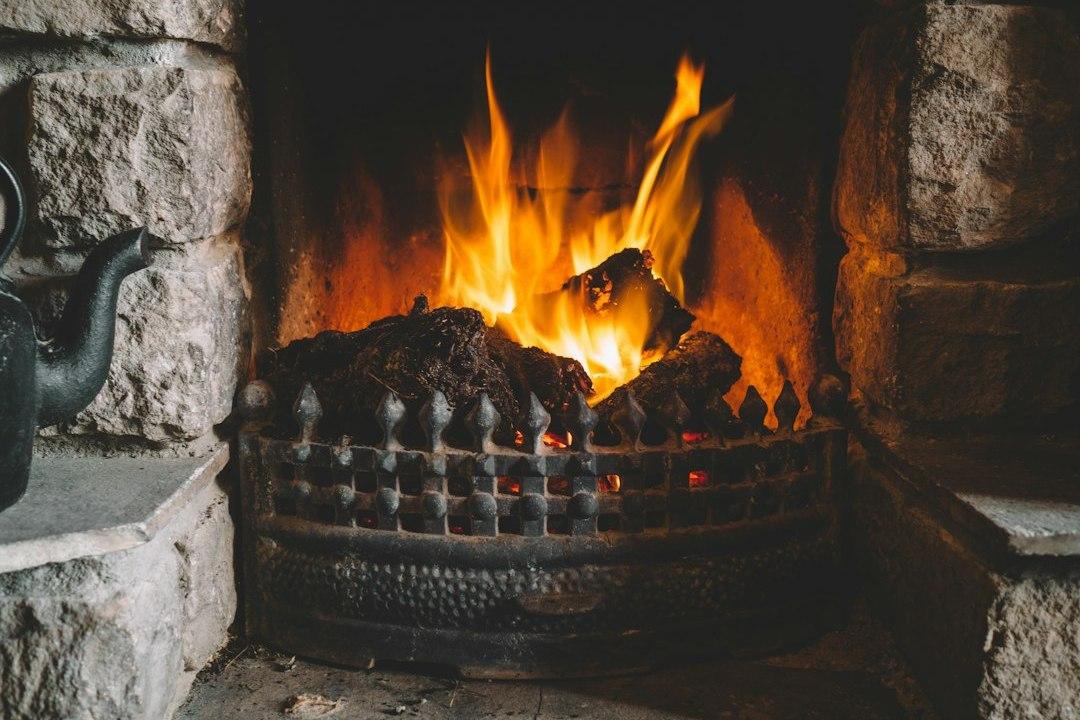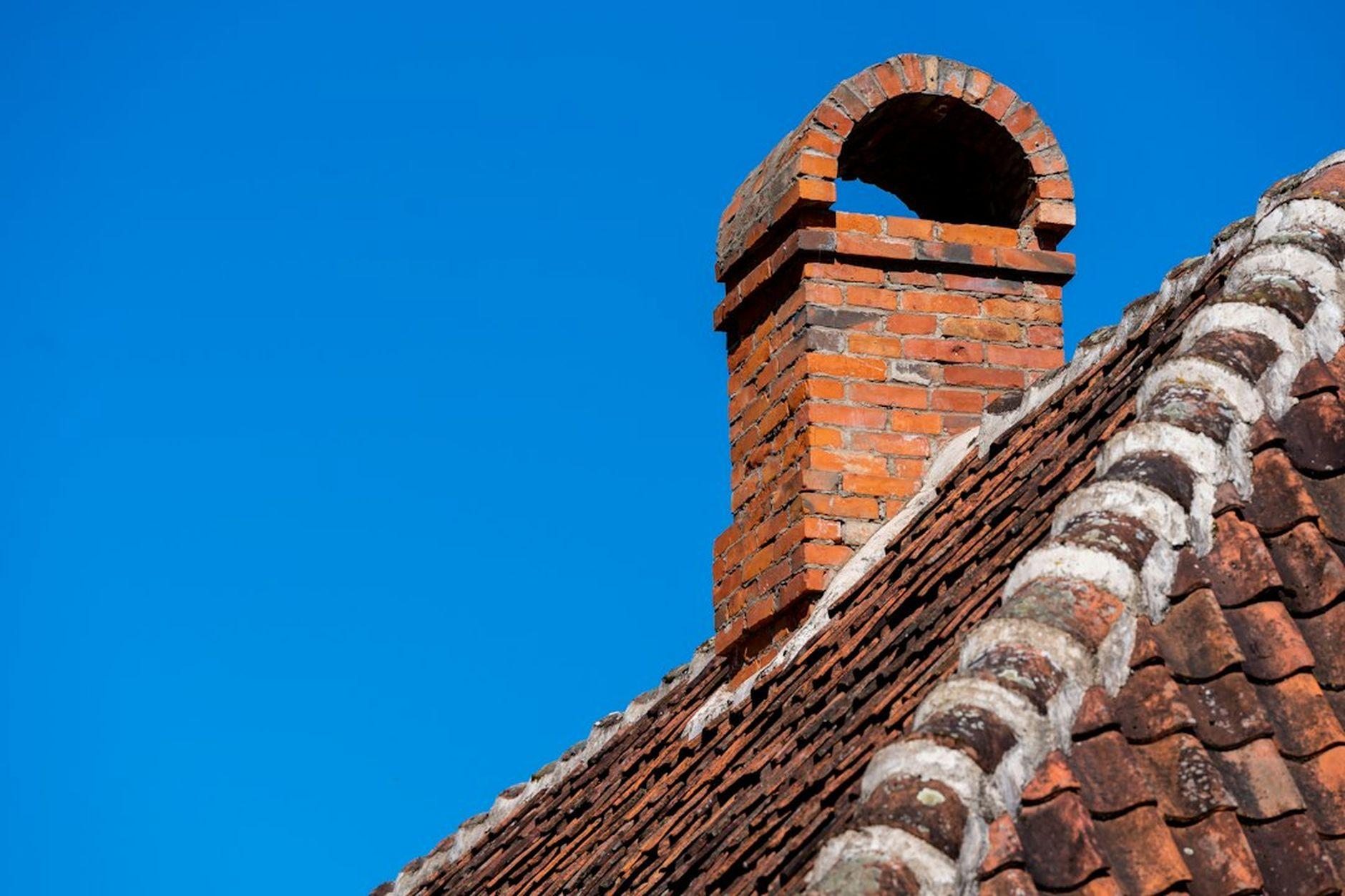
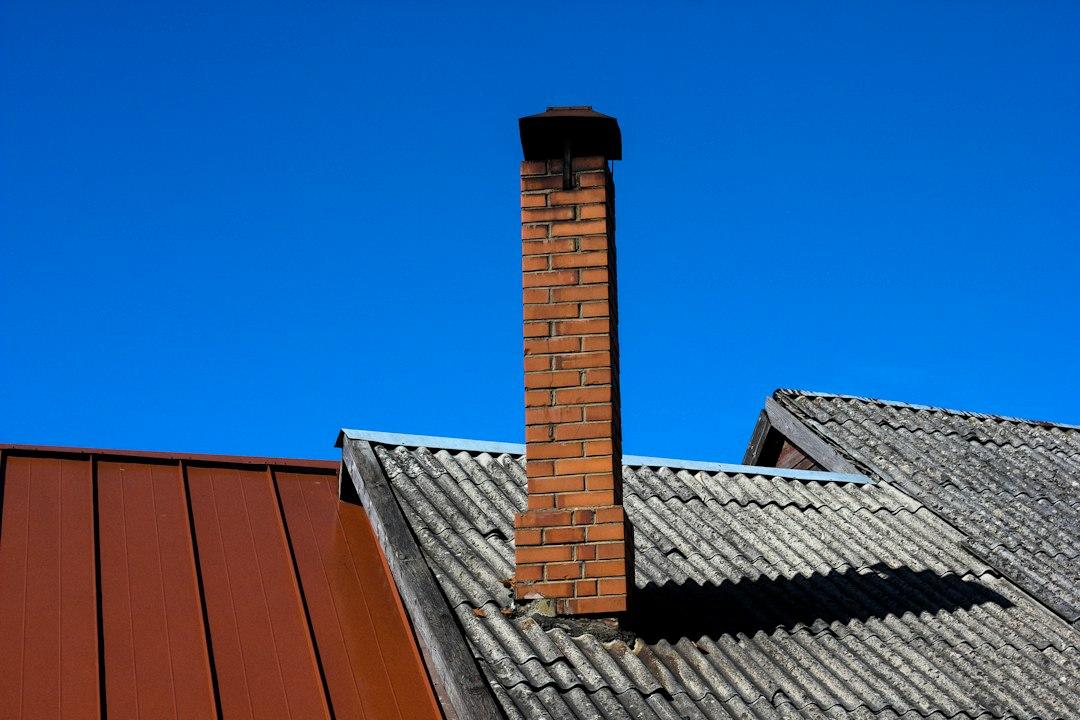
The brick chimneys on most older houses in South Gate were built for open fireplaces. An open fire needs a big flue to carry a lot of air and smoke. A wood stove sends up a much smaller stream of hotter smoke, and when you push that into a flue three or four times the size of the stove's outlet, the smoke slows, cools and drops creosote all the way up. The stove puffs when you open the door, the glass blackens, and the sweep finds tar where there should be soot.
A stainless liner sized to the stove puts that right. Here is what the job is, what moves its price, and what we check before writing a figure.
What a stove liner does
The liner is a stainless steel tube running from the stove outlet to the top of the chimney, inside the old flue. It gives the smoke a passage of the right size, so the draft pulls strong and steady from the moment the fire is lit. It also keeps hot gas off old clay tile and mortar that may have cracked over the decades, including through the 1987 Whittier Narrows quake and the 1994 quake.
For a stove or an insert in an old fireplace, the maker's installation instructions almost always ask for a full height liner. A stove pipe that stops a foot inside the damper is the setup we find most often, and it is the one behind the worst creosote.
What the camera tells us first
Before a liner gets a price, the flue goes on camera. A Level 2 inspection at $405 shows:
- The size and shape of the old flue from bottom to top, and whether a liner of the right diameter will pass
- Offsets or bends that call for a flexible liner instead of a rigid one
- Broken tile or debris that has to be cleared before a liner goes in
- The smoke chamber and damper area, where the liner has to make its turn
- The crown and cap at the top, which the liner has to seal against
If the chimney has never been inspected, this is the right moment. You line a chimney once, and you want to know the brick around it is sound.
What moves the price
We do not publish a liner figure. Two houses on the same block can need very different work. These are what change the number:
- Height. More feet of liner, more cost. A two storey house in Inglewood runs longer than a single storey bungalow in South Gate.
- Diameter. Set by the stove's outlet, which the maker specifies. Bigger is not better.
- Rigid or flexible. A straight flue can take rigid pipe; one with offsets needs a flexible liner rated for wood.
- Insulation. Many stove installs call for an insulated liner, to keep the smoke warm and to meet clearance rules where the chimney runs close to wood framing.
- Getting it in. A clogged or broken old flue, or a damper frame in the way, adds hours.
- The top. A new top plate and cap are part of the job.
You get a written price that lists each of those lines before any work begins. Curious where your chimney lands? Tell us the stove's brand and model, how tall the house is and whether the stove sits inside the old fireplace or out in front of it, and we will set up the camera visit.
Signs the stove needs a liner
- Smoke rolls out every time the door opens, even with the fire well alight
- The glass goes black within an hour of lighting
- A strong tar smell in the room on hot days, long after the last fire
- The sweep reports shiny, glazed creosote rather than loose soot
- A previous owner put the stove in and nobody knows how it was vented
Any one of these is reason enough to have the flue looked at. Two or more, and a liner is usually the answer.
Liner or a new metal chimney
People sometimes ask whether a new metal chimney through the roof would serve them better. On a house that already has sound masonry, lining it is almost always simpler and cheaper. Where the masonry itself has failed, with a crown split apart or brick at the top that has worked loose, the structure has to be dealt with first; that is the subject of our up to code repairs page.
Liners and a house sale
A liner often comes up when a South Gate house is changing hands. The buyer's camera inspection shows a stove venting into a bare brick flue, and suddenly the liner is a line in the repair request. Our written figure for the liner goes straight into that request, and if the seller hires the work, both sides get photos of the finished top and a fresh camera run down the new liner. Buying a House With a Wood Stove covers how those findings get used in escrow.
After the liner goes in
A lined stove drafts better, burns cleaner and fills its flue far more slowly. You still need a yearly chimney sweep, from $435, but what comes down is soft soot instead of tar. The install detail is on our chimney liner installation page, and if the stove itself is tired, Wood Stove Repair Cost, South Gate covers what fixing it involves.
If your stove has been smoking the room and you suspect the flue, begin at the contact page and we will set up the camera.
Want Herrick to Take a Look?
We come out from South Gate with brushes, a camera and the stove parts that wear most often. You see what we find, and any repair gets a written price before we start it.