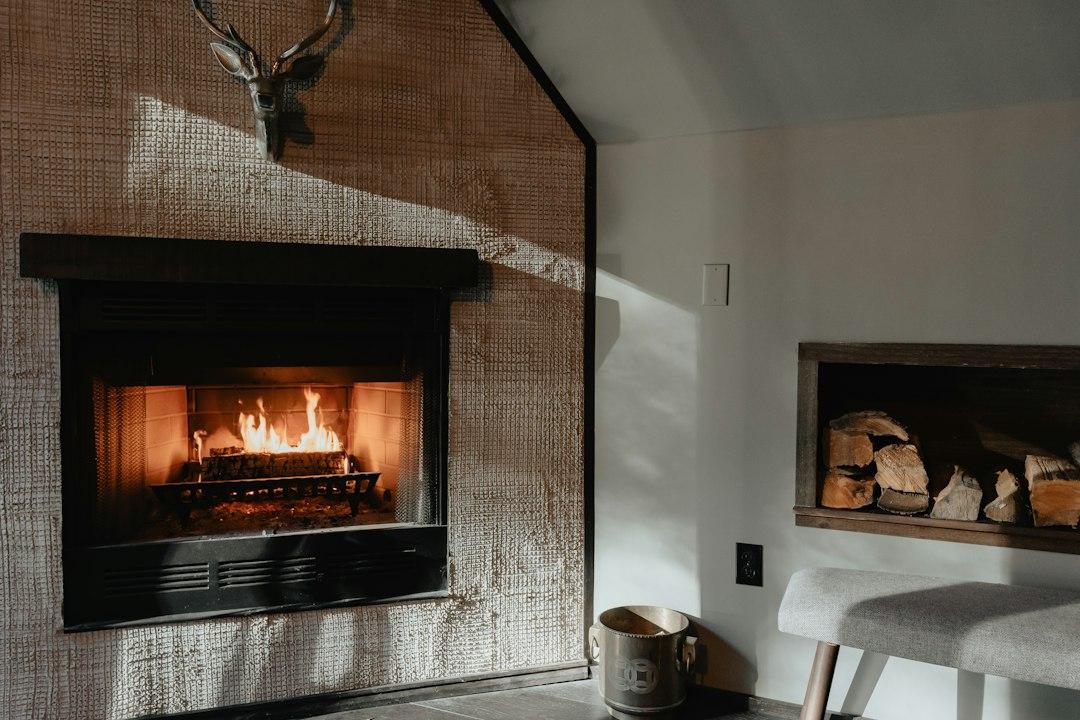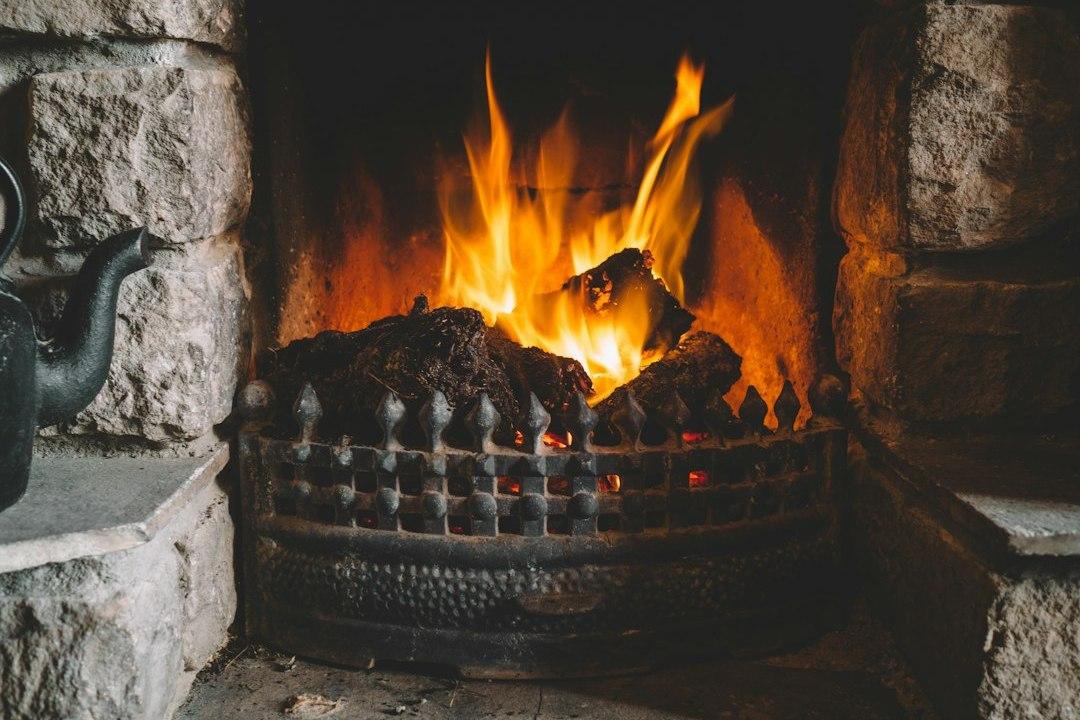
People who burn wood notice a chimney leak differently from everyone else. The first sign is often not a ceiling stain but a stove top with an orange bloom of rust, a firebox that smells like a wet campfire in March, or ash in the stove gone to grey paste. Water inside a chimney you burn in does more than mark a wall. It rusts the stove and its pipe, eats the damper, softens mortar and, mixed with creosote, makes an acid that works on the flue tile.
Here is where the water gets in on the chimneys we see around South Gate, what the repairs cost, and what decides where your house falls in the range.
The price range
Our published range for chimney leak repair is $580 to $3,500. The bottom is a single, obvious entry point with an easy fix. The top is a chimney taking water in at three places at once, with brick that has been soaking for years.
Related jobs with their own published prices:
| Work | Price |
|---|---|
| Finding the entry and closing it | $580 to $3,500 |
| Water diverter on the roof's high side | $465 to $1,050 |
| Diverter plus every flashing piece renewed | $700 to $1,750 |
A rain cap fitted over the flue is quoted after we measure.
Crown work, waterproofing and chase covers have no fixed figure on our list; each gets its own line on the written quote once we have been on the roof.
Where the water comes in
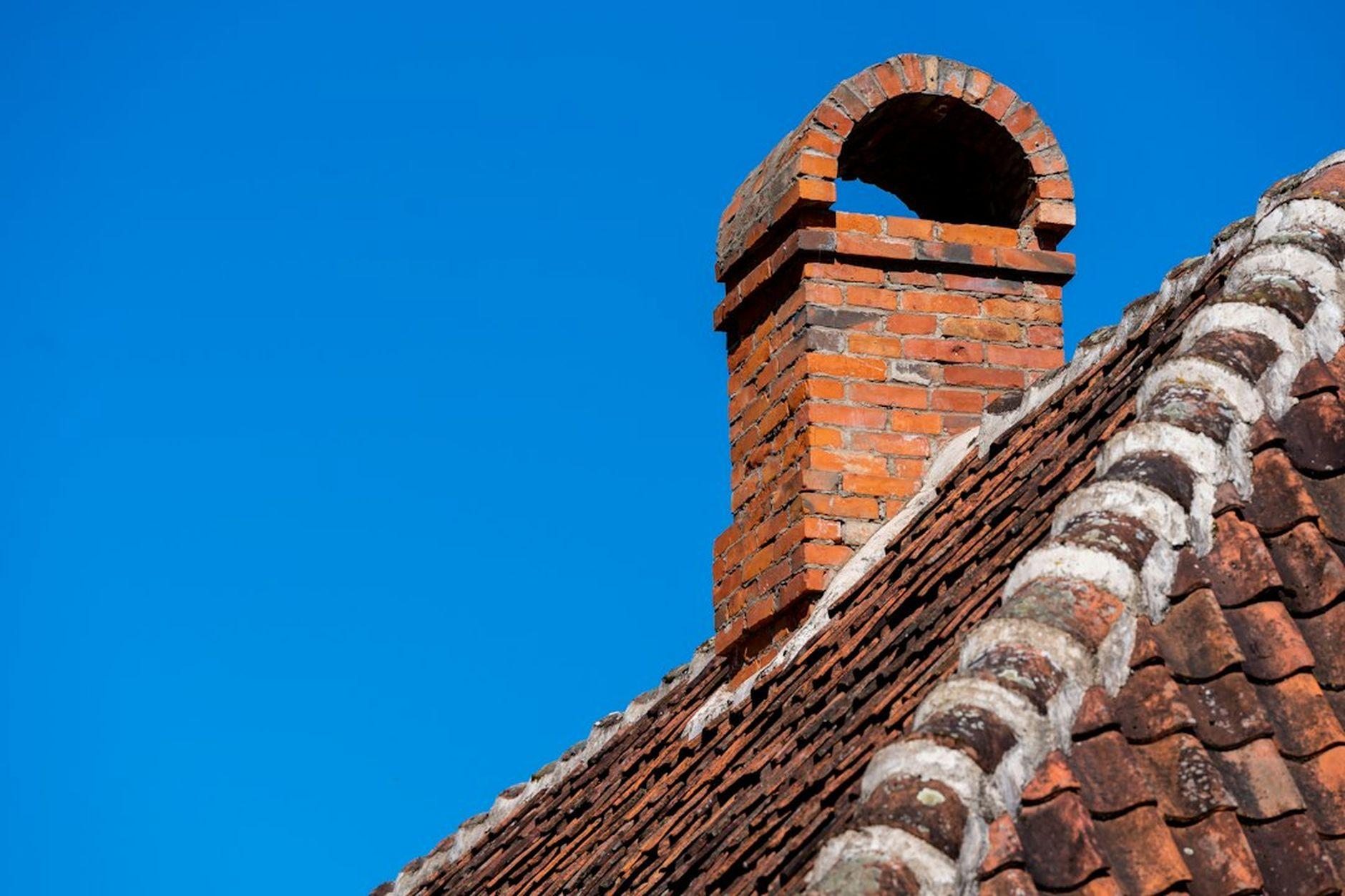
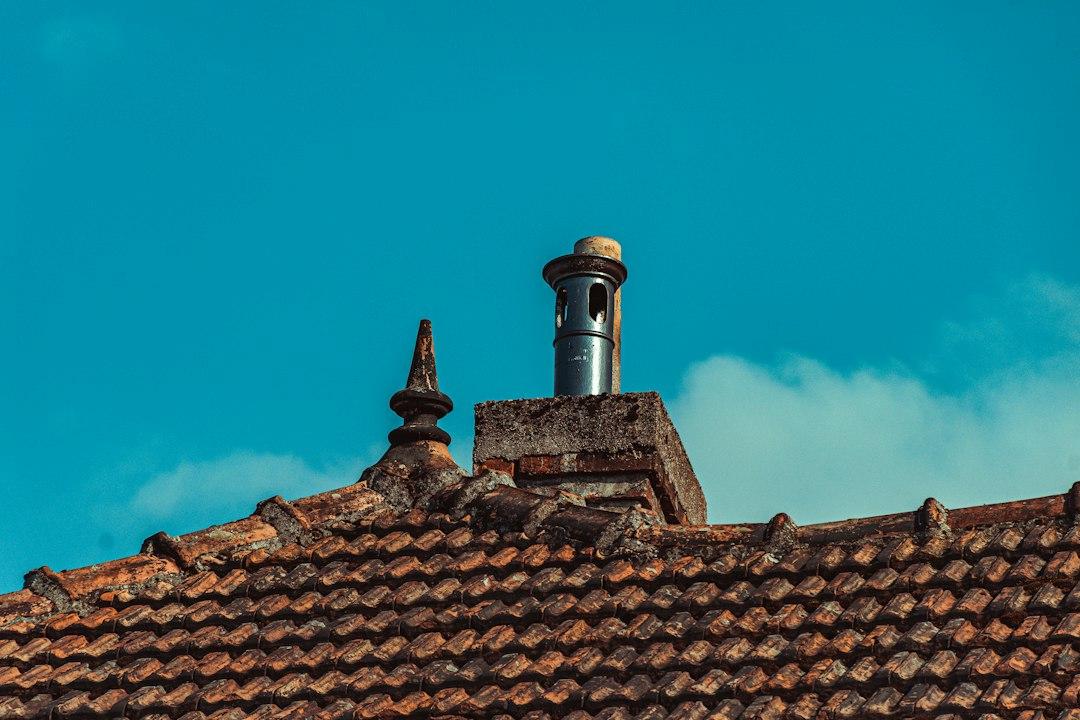
The top of the flue. A chimney with no cap is an open pipe to the sky. On a stove chimney the rain runs down the liner or pipe and lands right in the stove. A cap stops that, and keeps birds and leaves out as well.
The crown. The concrete slab on top of a masonry chimney cracks with age, with heat, and in this part of the county with the ground shaking. Water gets into those cracks and down into the brick. Small cracks can be sealed; a crown that has broken up is cast new.
The flashing. Where the chimney comes through the roof, metal is lapped into the roofing and tucked into the brick. When that metal lifts, rusts, or was only ever held by a bead of caulk, rain runs in behind it and down the framing. This is the usual source of the stain people find beside the chimney indoors.
Brick and mortar. Aged, porous brick drinks rain, and joints with missing mortar add to it. On a chimney facing wind driven rain, that alone can show up inside.
The high side of the roof. On a wide chimney sitting across the slope, rain coming down the roof hits the back of the chimney and pools there. A small peaked diverter, the cricket, sends it round both sides.
What decides your number
- How many of those entry points are open at once
- How high and steep the roof is, and whether we can work from it safely
- The size of the chimney and how many flues run up it
- How long the water has been getting in: rotted sheathing or framing around the chimney is a carpentry job on top of the chimney work
- Whether the roofing around the chimney can be lifted and laid back, or has to be patched
We find the entry first and price the fix after. Guessing at a leak and smearing sealant on everything in sight is how people end up paying twice.
Use the form to say where you see the water, what the stove or fireplace looks like after a storm, and how old the roof is, and we will arrange a visit to find the source. You get a written quote naming each entry point and what it takes to close it.
Leaks and wood stoves
A stove sitting under a wet flue suffers fast. Rust takes the bolts that hold the baffle, seizes the damper or air control, and scales the inside of the connector pipe. Wet creosote is harder to sweep out and keeps smelling long after the last fire. If you burn and have a leak, we look at the stove as part of the visit, and our wood stove repair page covers what follows if it took damage.
Timing in South Gate
Most of our leak calls arrive after the first big storms of the season, which is the worst time to find out. Rain here comes in a few heavy bursts between late autumn and early spring, and a chimney that has been dry all summer gives no warning. A look at the cap, crown and flashing in late summer or early autumn, on the same visit as a chimney sweep, catches most of these before the rain.
Leaks found during a sale
If water damage turns up in a buyer's inspection, the report should show where it comes from, not only that the wall is wet. A Level 2 chimney inspection at $405 puts a camera through the flue and looks in the attic, which tells you whether the leak is a cap or a much bigger job. Buying a House With a Wood Stove goes further into how buyers use those findings.
Water getting into your chimney or onto your stove? Start at the contact page, and we will come out to trace it.
Want Herrick to Take a Look?
We come out from South Gate with brushes, a camera and the stove parts that wear most often. You see what we find, and any repair gets a written price before we start it.